This is Wen Weng, in alt mode.
I think through making. I explore through play.
This is where I make things that feel more personal and instinctive.
A space for experimentation, fun, and other directions.
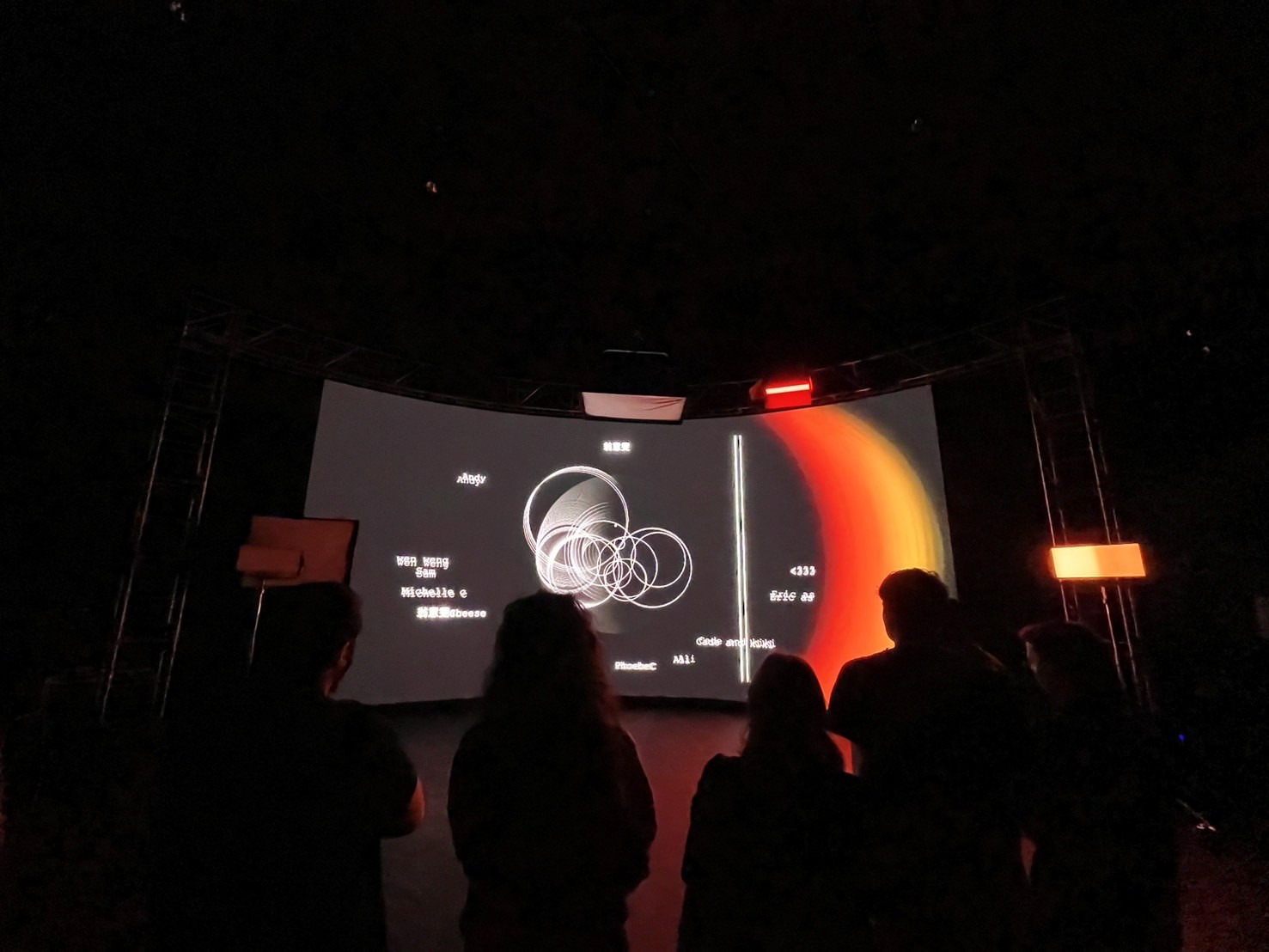
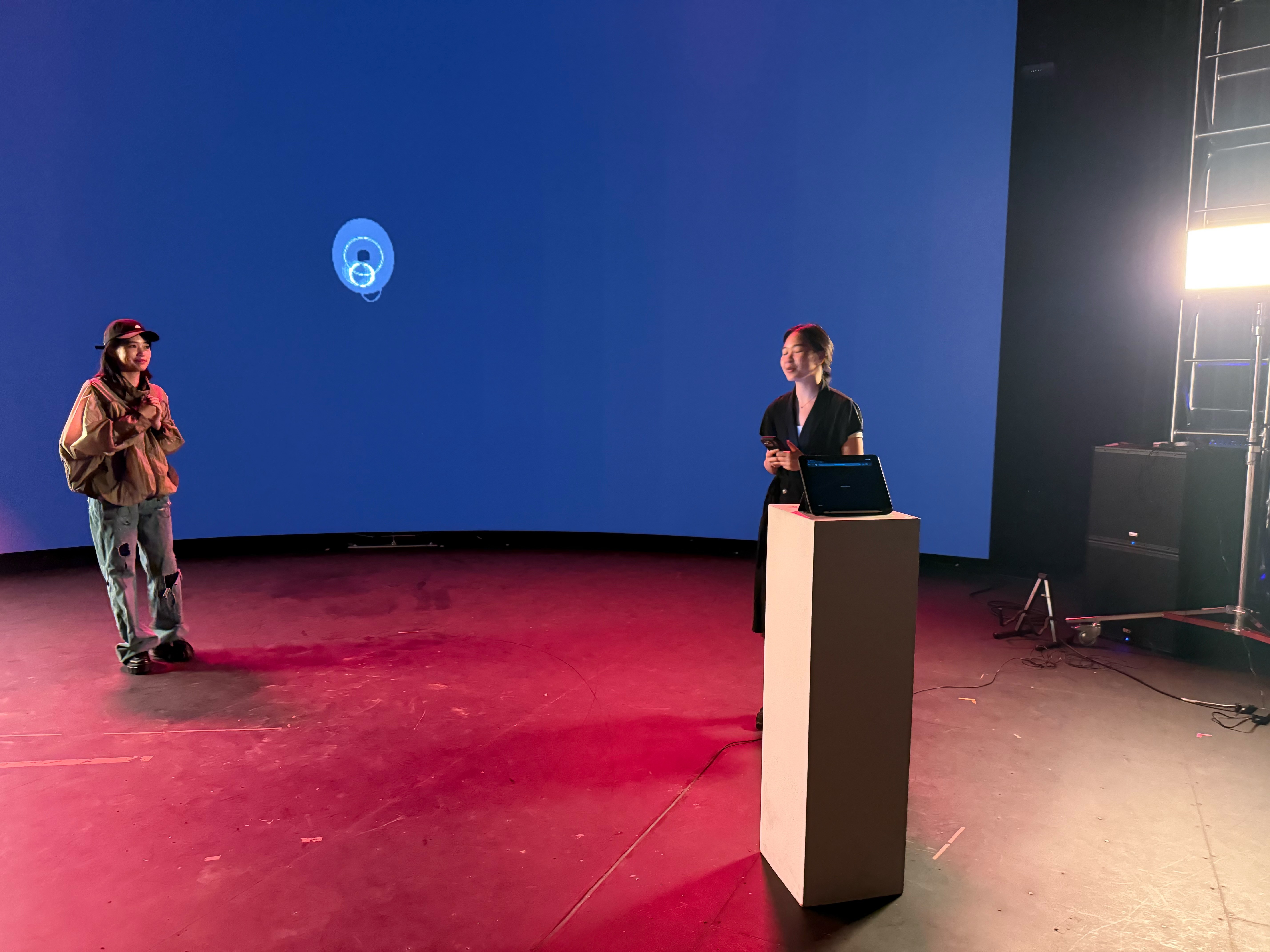
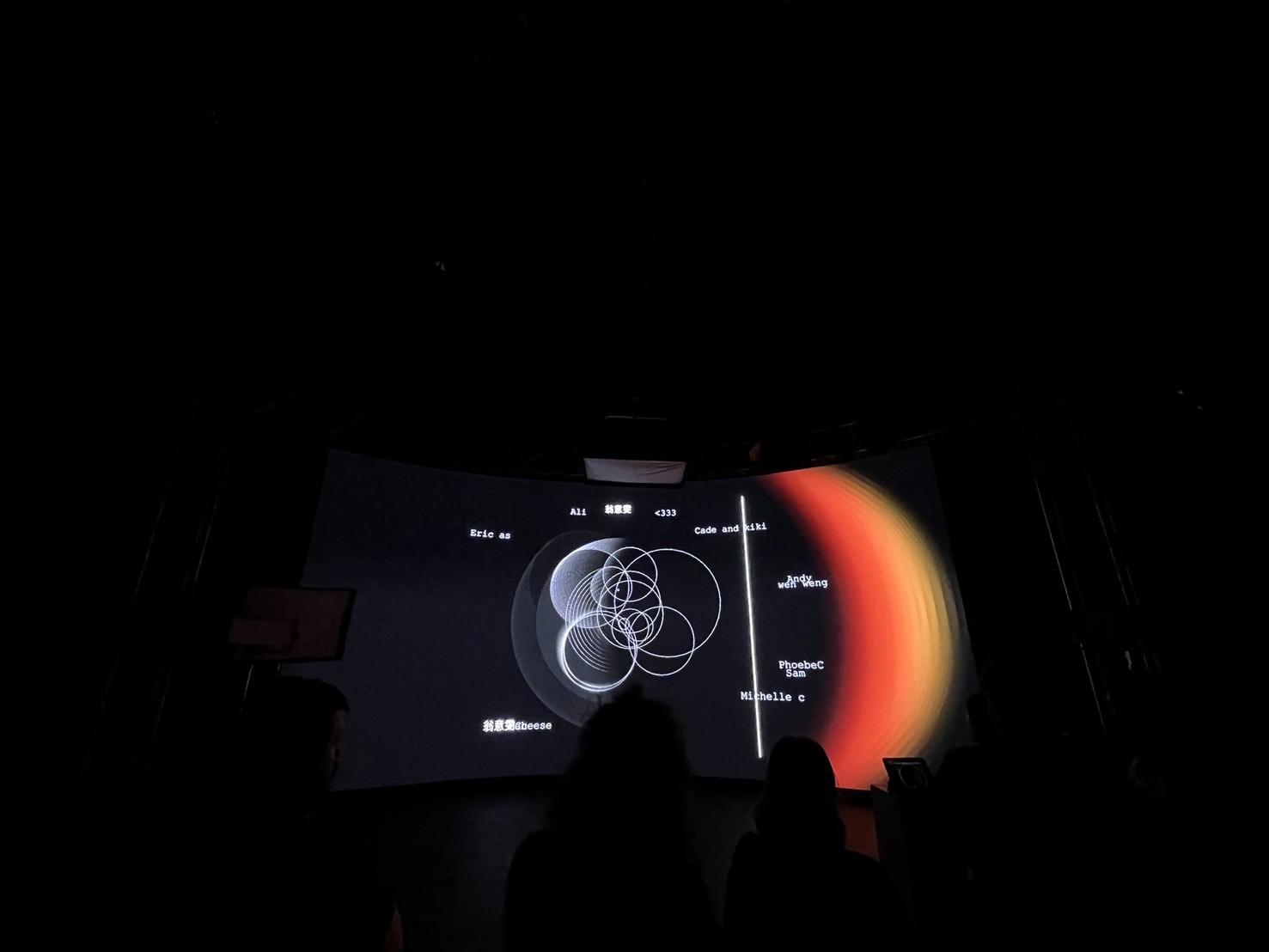
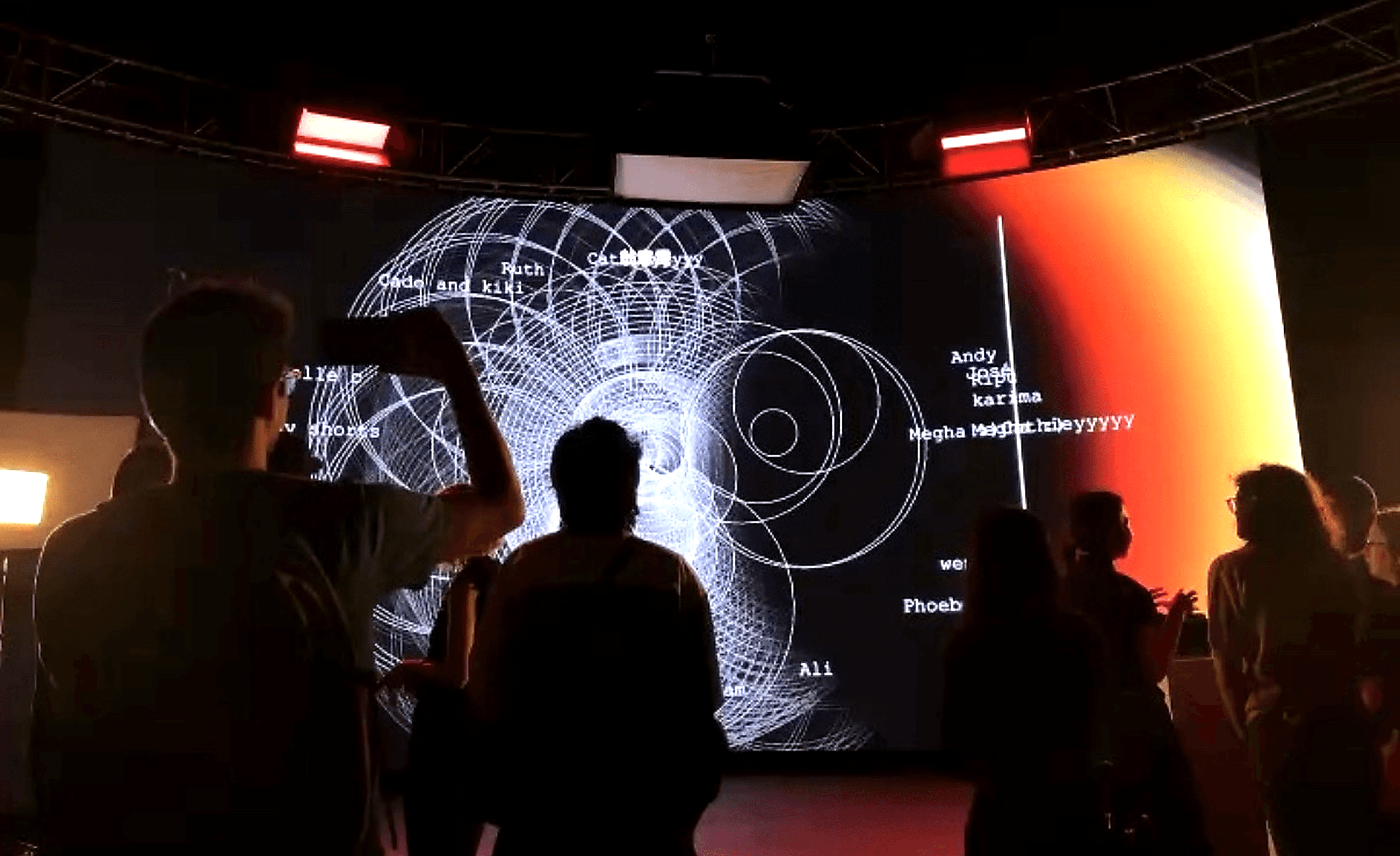
"Snail" is an interactive art project observing and visualizing the accumulation of a community.
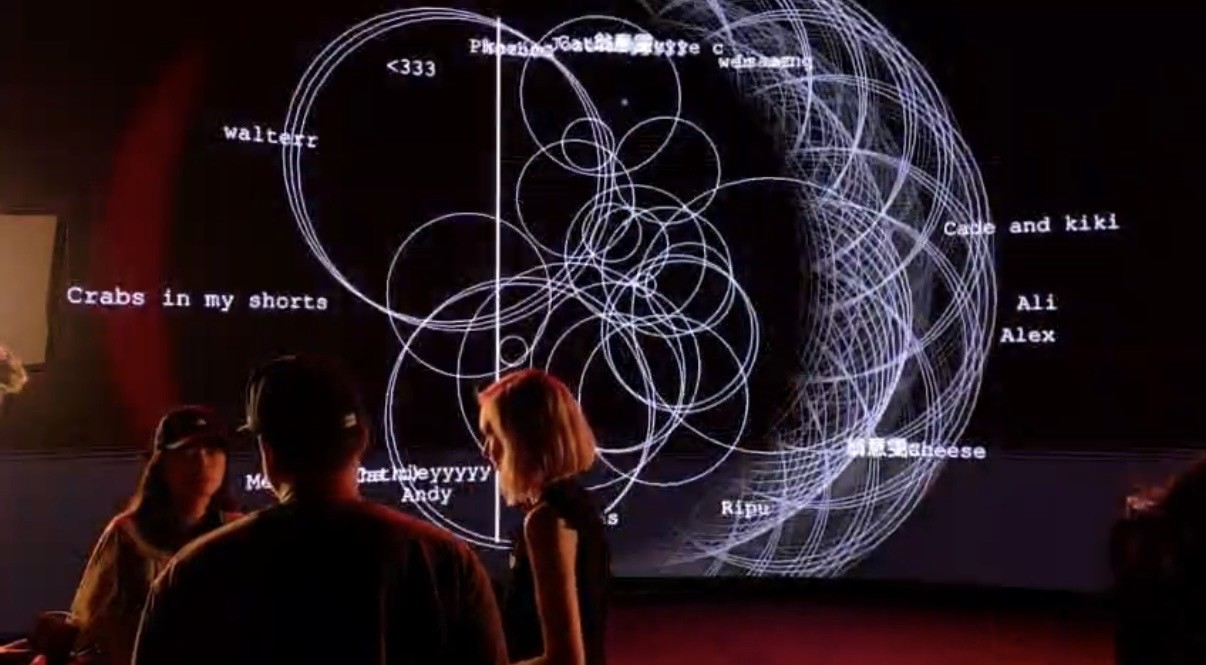
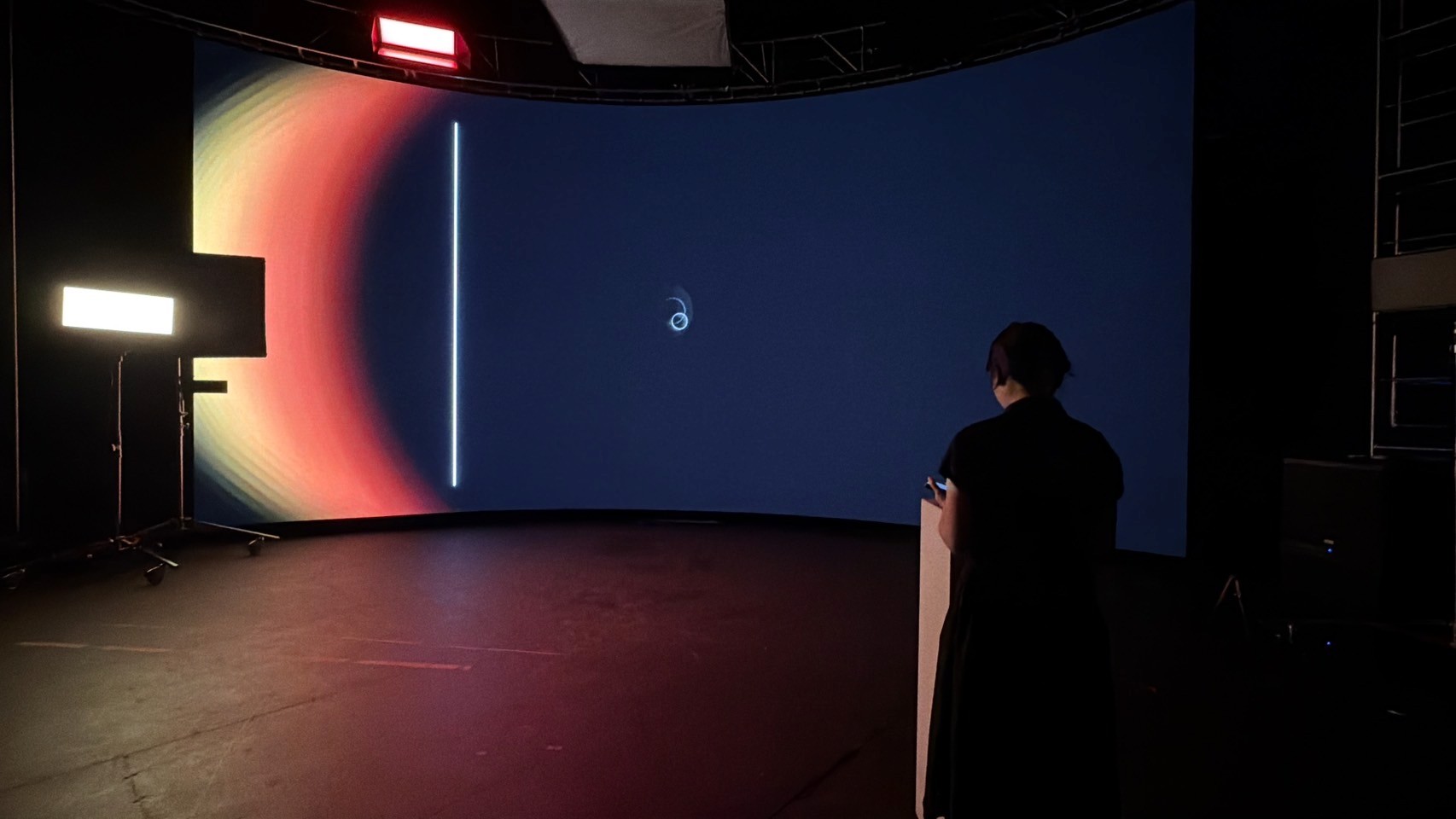
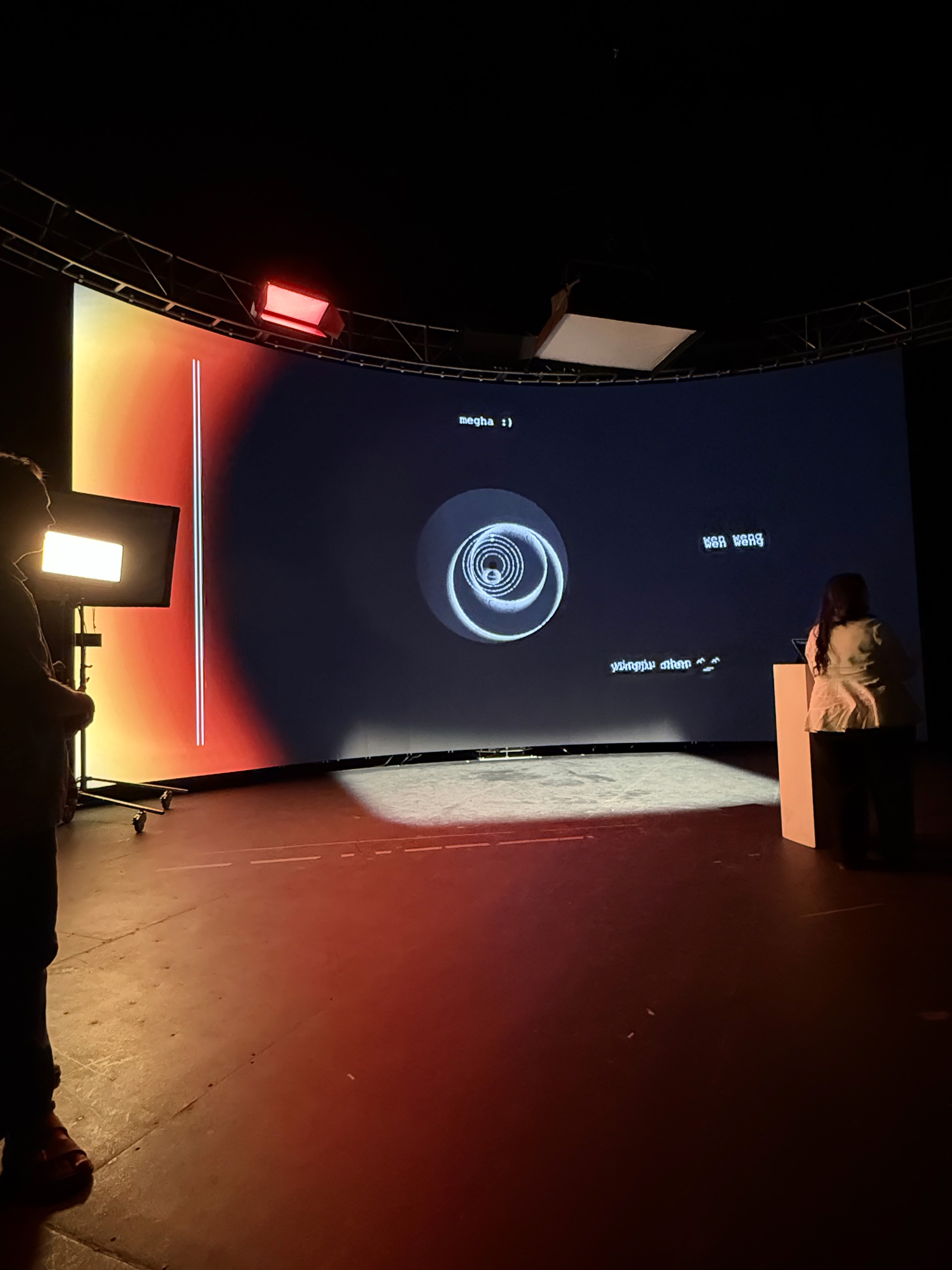
It highly relies on the input of the audiences. Every input from the audience will directly reflect on the visual and sound system in real time, and each of them is slightly different in size and speed. Eventually, as engagement accumulates, it begins to shape itself like a snail shell as a whole. The dark room, the repeating sounds, and the moving lens together create a sense of time, waiting, and gradual revealing, making "Snail" a soothing and relaxing experience.
This project is a wrap-up of my 2-year journey, and it reflects where I am right now. I’m looking to move out of here. The colours are inspired by the Arizona sunset, as it's one of my favourite things in Arizona.
Encore show @MixCenter, Mesa. April 30, 2026
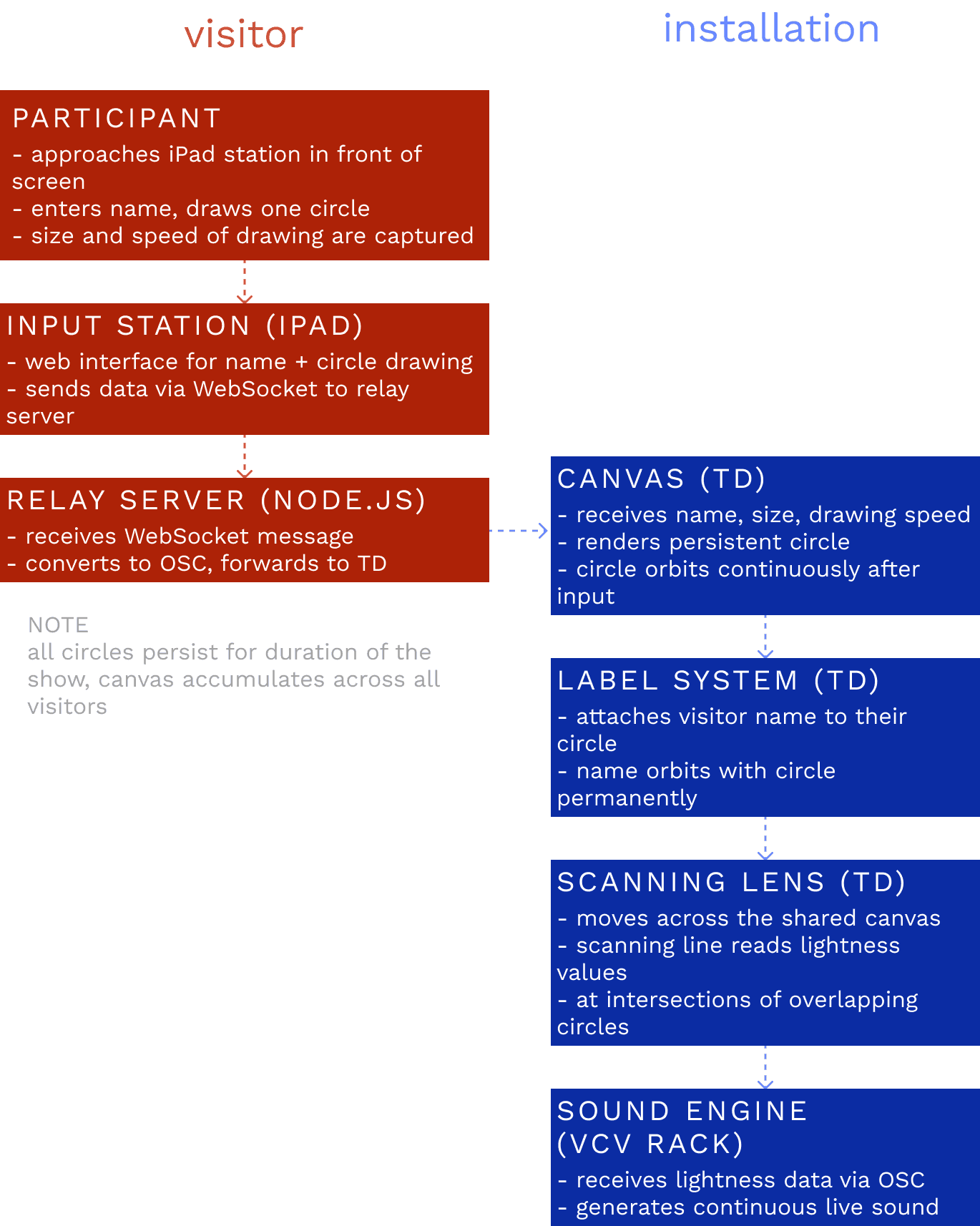
Technical Approach - Overview
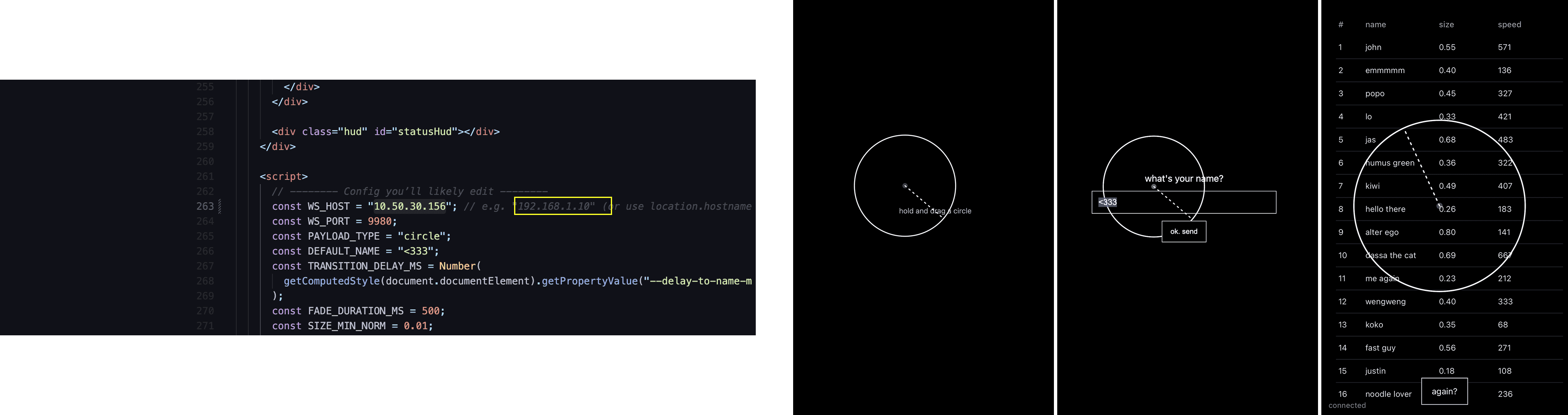
Technical Stack - Webpage
Built in Cursor. The project consists of a single HTML file and a README. During the exhibition, a local server is run directly on-site — any device on the same network and port can access the interface. Three data points are collected from each visitor: circle size, drawing speed, and name. A history page logs all visitor submissions across the session. For future presentations in different venues, only the localhost IP inside the HTML file needs to be updated to reconnect to TouchDesigner.
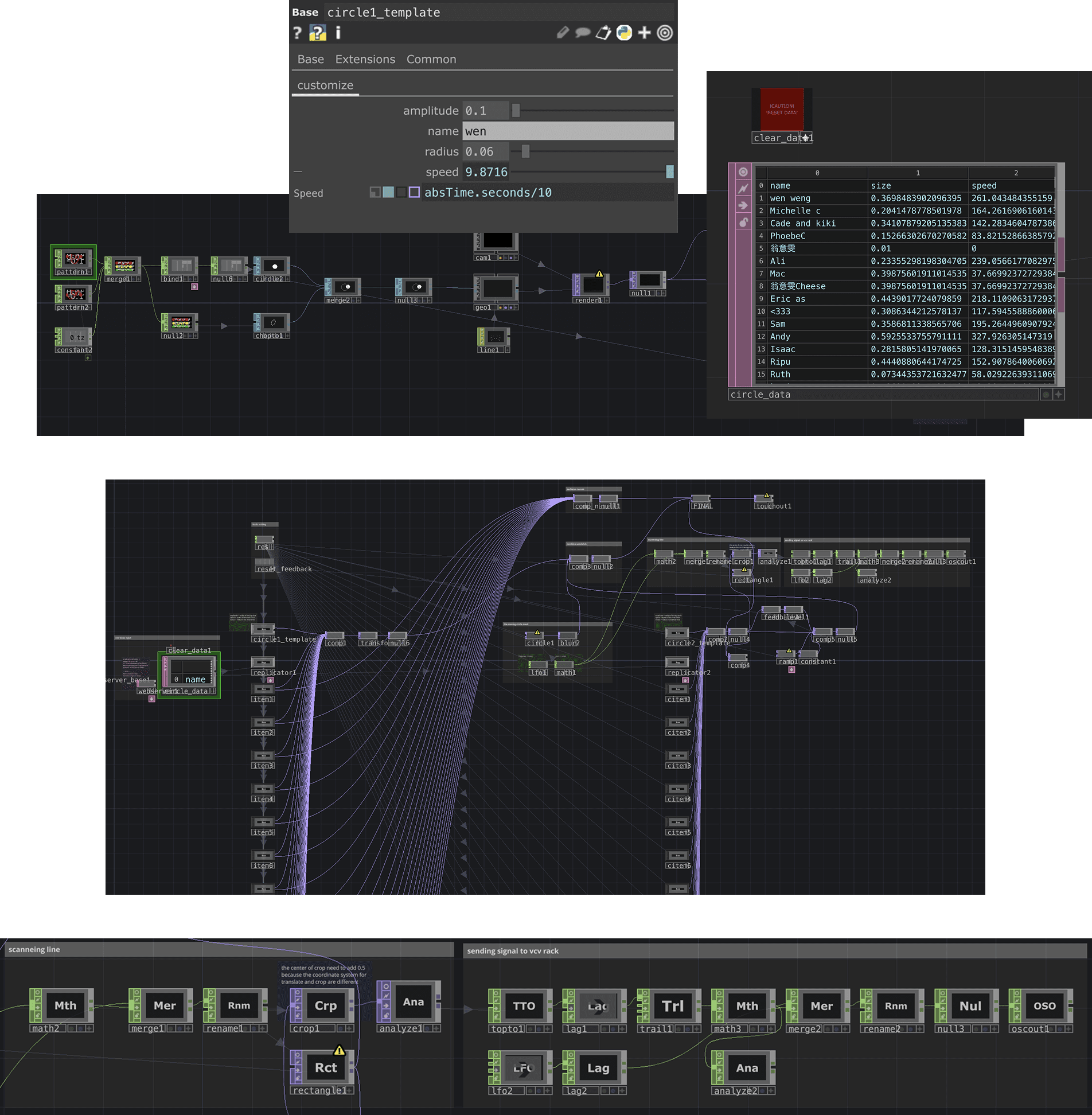
Technical Stack - TouchDesigner
The central environment of the installation. A modular circle unit is built first; visitor data (circle size, drawing speed, and name) is used to adjust its parameters, and the Replicator function duplicates a new instance for each submission.
The visual output relies heavily on Composite TOPs, with different composite modes explored to shape how circles interact and overlap on the shared canvas.
A moving crop region traverses the canvas continuously, sampling the lightness of circle intersections. That data is range-adjusted and sent via OSC to VCV Rack to drive the sound output.
Technical Stack - VCV Rack
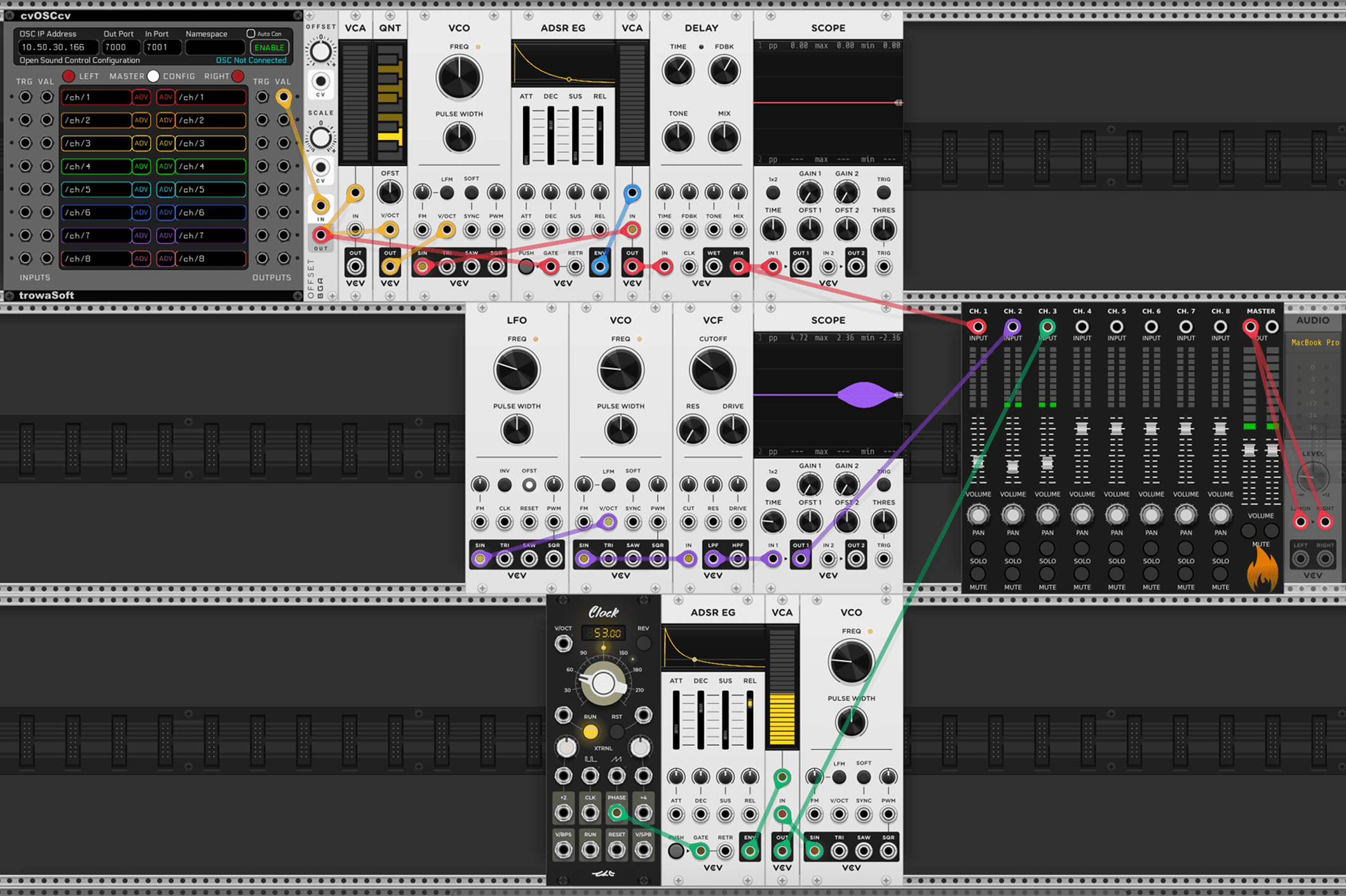
Incoming OSC values from TouchDesigner are converted directly into voltage signals inside VCV Rack, controlling pitch in real time.
Scale quantization and delay settings are applied to give the sound a sense of space and continuity.
Two additional independent bass tracks run alongside: one is a sustained low-frequency pulse — a constant, heartbeat-like tone that anchors the piece; the other responds to the movement frequency of the moving lens, adding a low-end effect that tracks the visual rhythm of the canvas.
Together the three layers shape a sound environment that reflects both the density of the community and the motion of the system reading it.